Tourist Destinations
Tourist Destinations
Major Tourist Attractions
Aruvippuram, a site of immense historical and spiritual significance, holds a prominent place among the primary tourist attractions in Perumkadavila Grama Panchayat.
1. Aruvippuram Temple and Cave
Aruvippuram Temple and its cave are major heritage sites associated with the life and history of Sree Narayana Guru. This is the sacred spot where Sree Narayana Guru consecrated the Shiva idol in 1888. The Neyyar River flows gracefully alongside this holy site. On the hill near the temple lies the cave where Sree Narayana Guru used to rest and meditate.
2. Aruvippuram Riverbank
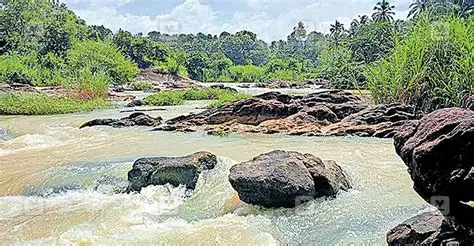
The Neyyar riverbank at Aruvippuram is an ideal destination for taking in natural beauty and spending time in a serene, peaceful atmosphere. Beyond its historical and spiritual resonance, the scenic charm of the surrounding landscape makes this area uniquely attractive.
3. Aruvippuram – Kodithookkimala Region
The hilly area and cave near the Aruvippuram Temple hold both historical and ecological importance. This landscape is considered an essential highlight of any visit to Aruvippuram. It serves as a tranquil getaway for trekking enthusiasts and visitors looking to enjoy stunning natural vistas during the evening.
4. Aruvikkara Area
The Aruvikkara area within Perumkadavila Grama Panchayat is also officially featured in Kerala Tourism's location directory.
5. Aruvippuram Kadavu (River Ghat)
The riverbank stretches around Aruvippuram feature lush greenery, majestic rock formations, and the unspoiled natural beauty of the Neyyar River. It stands as a picturesque local tourist attraction centered on natural landscapes.
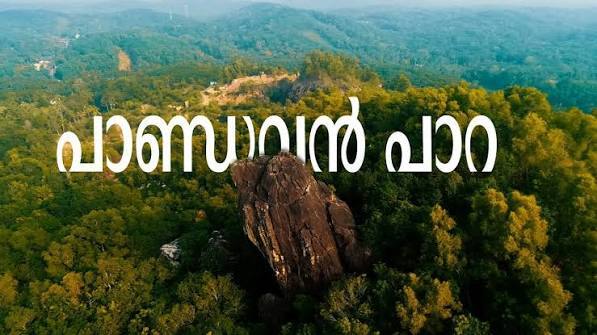
6. Pandavan Para (Pandavan Rock)
- Historical Significance: Cave paintings and rock inscriptions dating back to the Late Neolithic period have been discovered inside the cave here. Petroglyphs and engravings similar to those found at the Edakkal Caves in Wayanad can be observed here. It is a protected monument under the State Archaeology Department.
- Mythology: According to local folklore, the Pandavas stayed here during their exile (Agnatavasam).