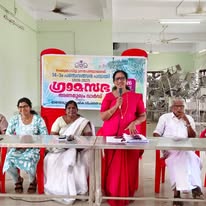
Grama Sabha
Grama Sabha
The Grama Sabha is the foundational pillar of local self-government institutions and the most primary forum of direct democracy. The Grama Sabha of a ward comprises all individuals whose names are registered in the electoral roll of that specific Grama Panchayat ward.
Key Responsibilities and Powers
- Formulation of Development Plans: Discussing local development needs within the ward and preparing the annual development plans.
- Selection of Beneficiaries: Preparing priority lists of eligible beneficiaries for various government welfare schemes, housing projects, pensions, and financial aid.
- Social Auditing: Scrutinizing the accounts, expenditures, and execution of works implemented by the Panchayat.
- Addressing Public Issues: Deliberating on and resolving civic issues within the ward, such as drinking water supply, street lighting, sanitation, and road maintenance.
Grama Sabha Meetings
- Frequency: The Grama Sabha must convene at least 4 times a year.
- Quorum: For a Grama Sabha meeting to be legally valid, a minimum of 10% of the total voters in the ward must attend (this must mandatorily include adequate participation from women and Scheduled Caste / Scheduled Tribe communities).
- Chairperson: The meeting is chaired and led by the respective Ward Member.